December 26, 2025
In today’s environmentally conscious world, homeowners are constantly looking for ways to reduce energy consumption and lower utility bills. One often-overlooked solution lies in the choice of window coverings. Window blinds, shades, and other treatments do more than just enhance privacy or improve aesthetics—they can significantly contribute to a home’s energy efficiency. Properly selected and installed, these coverings can help regulate indoor temperatures, protect furnishings from sun damage, and reduce the demand on heating and cooling systems. With rising energy costs and growing concern over carbon footprints, understanding the role of window coverings is increasingly important for any household.
What Are the Benefits of Using Window Blinds for Energy Efficiency?
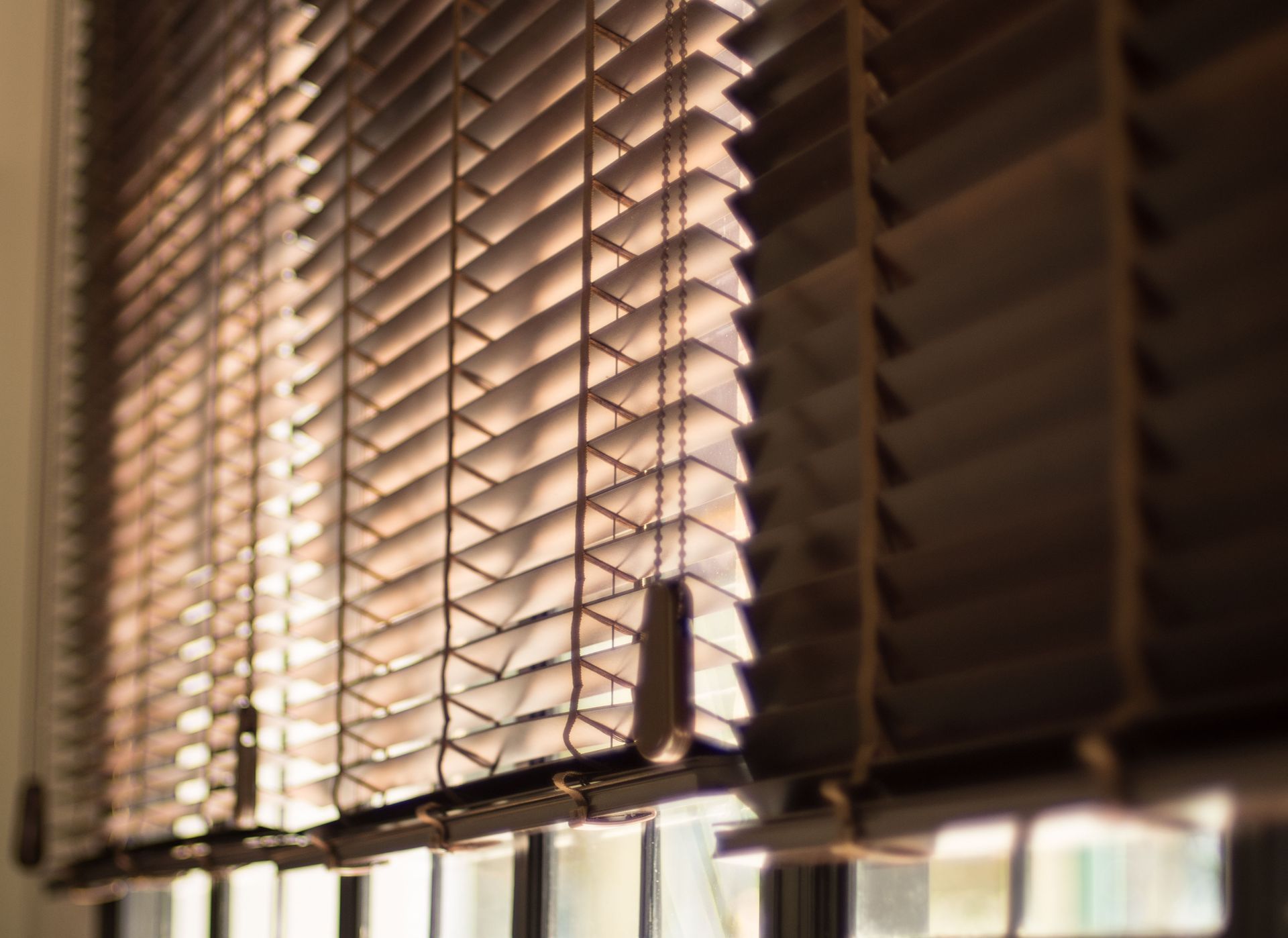
Window blinds offer a range of benefits beyond their decorative appeal. At their core, they act as an extra layer of insulation, helping to control the flow of heat between the indoors and outdoors. During hot summer months, closing blinds can block direct sunlight and prevent rooms from overheating, reducing the need for air conditioning. Conversely, in winter, certain types of blinds help trap heat inside, keeping living spaces warmer and reducing the load on your heating system. This ability to moderate indoor temperatures not only improves comfort but also extends the lifespan of HVAC systems by reducing wear and tear from constant heating or cooling cycles.
In addition to temperature regulation, window blinds also minimize glare and UV exposure, which can protect furniture, flooring, and artwork from fading. For households that rely heavily on natural lighting, blinds provide a way to control light levels without resorting to energy-intensive artificial lighting, further contributing to energy savings. They can also enhance privacy and reduce noise from outside, adding another layer of functionality to their energy-efficient design. By combining these advantages, window blinds serve as a practical, cost-effective tool for homeowners aiming to improve overall energy efficiency.
How Do Different Types of Window Blinds Affect Energy Consumption?
Not all window blinds are created equal when it comes to energy efficiency. The material, design, and operation of blinds all influence their ability to reduce energy loss. For example, cellular or honeycomb blinds are known for their superior insulation properties. Their unique design traps air within the cells, creating a barrier that limits heat transfer. This design is particularly effective in colder climates, where reducing heat loss through windows is crucial. In addition, the depth and number of cells in honeycomb blinds can further enhance their insulating performance, making them a top choice for energy-conscious homeowners.
Wooden or faux wood blinds, while stylish, offer less insulation than cellular blinds but can still help moderate temperature by controlling the amount of sunlight entering a room. Aluminum or metal blinds are excellent at reflecting sunlight and preventing heat gain during hot seasons, but they may allow more heat to escape in the winter if not paired with additional insulating layers. Motorized or adjustable blinds give homeowners the flexibility to optimize energy efficiency by automatically opening or closing based on the time of day or temperature. By understanding the energy-saving potential of each type, homeowners can choose window blinds that best meet their climate and lifestyle needs, ensuring both comfort and cost savings throughout the year.
Can Window Blinds Lead to Cost Savings on Energy Bills?
The practical benefits of energy-efficient window blinds extend directly to financial savings. According to the Department of Energy, roughly 30% of a home’s heating and cooling energy is lost through windows. By installing blinds that provide insulation and light control, homeowners can reduce energy loss and, consequently, lower utility bills. For example, in the summer, tightly closed blinds can prevent excessive heat from entering the home, reducing the workload on air conditioners. During winter, insulating blinds keep warmth inside, meaning furnaces or heaters operate less frequently. In addition to direct energy savings, well-chosen blinds can also increase the overall comfort of a home by reducing drafts and maintaining a more consistent indoor temperature throughout the day.
Even small adjustments in energy consumption can translate into noticeable savings over time. Homeowners have reported reductions in their monthly energy costs by strategically using window blinds in combination with other energy-saving measures such as weather stripping and ceiling fans. Over the lifespan of a window treatment, these savings can offset the initial investment in high-quality blinds, making them both an environmentally responsible and financially smart choice. Furthermore, investing in energy-efficient window blinds can enhance a home’s resale value, as prospective buyers often appreciate features that lower ongoing utility expenses and demonstrate a commitment to sustainability.
What Factors Should Be Considered When Choosing Window Blinds for Energy Efficiency?
Selecting the right window blinds for energy efficiency requires careful consideration of several factors. First, climate plays a major role. Homes in colder regions benefit most from cellular blinds that trap heat, while residences in hot climates may see greater energy savings from reflective or light-filtering blinds that reduce solar gain.
Window orientation is another important consideration. South-facing windows tend to receive the most sunlight and may require heavier or more insulated blinds to maintain comfortable temperatures. North-facing windows, which receive less direct sunlight, may prioritize light-filtering properties rather than heavy insulation. Home design and room usage also influence the best choice: for example, bedrooms may benefit from blackout blinds to improve sleep quality and maintain a steady temperature, while living rooms might prioritize adjustable blinds for a balance of light and comfort.
Finally, material and maintenance should be factored in. Durable blinds that are easy to clean and resistant to warping or fading provide long-term energy savings without frequent replacements. By considering climate, orientation, and room functionality, homeowners can maximize both the energy efficiency and lifespan of their window coverings.
Are Smart Blinds Worth the Investment for Energy Efficiency?
Smart blinds, equipped with automation technology, offer a modern solution for energy-conscious homeowners. These blinds can be programmed to open or close at specific times of the day, respond to sunlight or temperature sensors, or even integrate with home automation systems. By adjusting automatically, smart blinds optimize energy efficiency without requiring constant manual intervention.
For instance, smart blinds can close during the hottest part of the day to reduce air conditioning usage or open in the morning to allow natural heat from the sun during winter months. While the upfront cost of smart blinds is higher than traditional options, the potential energy savings, combined with convenience and increased home value, can make them a worthwhile investment. Additionally, they contribute to a more sustainable lifestyle by reducing overall energy consumption, which benefits both homeowners and the environment.
Window coverings, and particularly window blinds, play a critical role in enhancing energy efficiency in homes. They provide insulation, regulate sunlight, reduce heat gain and loss, and contribute to lower energy bills. With options ranging from cellular blinds to smart automated systems, homeowners have a wide variety of solutions to suit their specific needs, climate, and style preferences. Considering that approximately 30% of a home’s heating and cooling energy is lost through windows, selecting the right
window blinds is not just a design choice—it is a strategic step toward a more energy-efficient, cost-effective, and environmentally responsible home. By understanding the benefits and making informed decisions, homeowners can enjoy greater comfort while simultaneously reducing their energy footprint. If you're in need of new window coverings, reach out to the team at Brewster Paint & Decorating Center today!